
Transforming your backyard into a source of passive income is an innovative way to leverage underused property space. Turning your backyard into passive income can also add lasting value to your home, and with housing costs rising across Ontario, more homeowners are exploring the idea every year. In this blog post, we’ll guide you through converting your backyard into a lucrative asset, one clear step at a time. Whether you’re exploring a creative side hustle, supplementing your income in retirement, or maximizing your property’s earning potential, you’ve found the right starting point.
TL;DR
- Assess first: Check your lot size, local zoning, permits, and budget before you build anything.
- Pick your income stream: Long-term rentals offer steady cash flow, while short-term stays can earn more but take more work.
- Prepare and promote: Design a comfortable, code-compliant ADU, then price and market it competitively.
- Get expert help: An experienced builder like Frontier Building Group keeps your project on time and on budget.
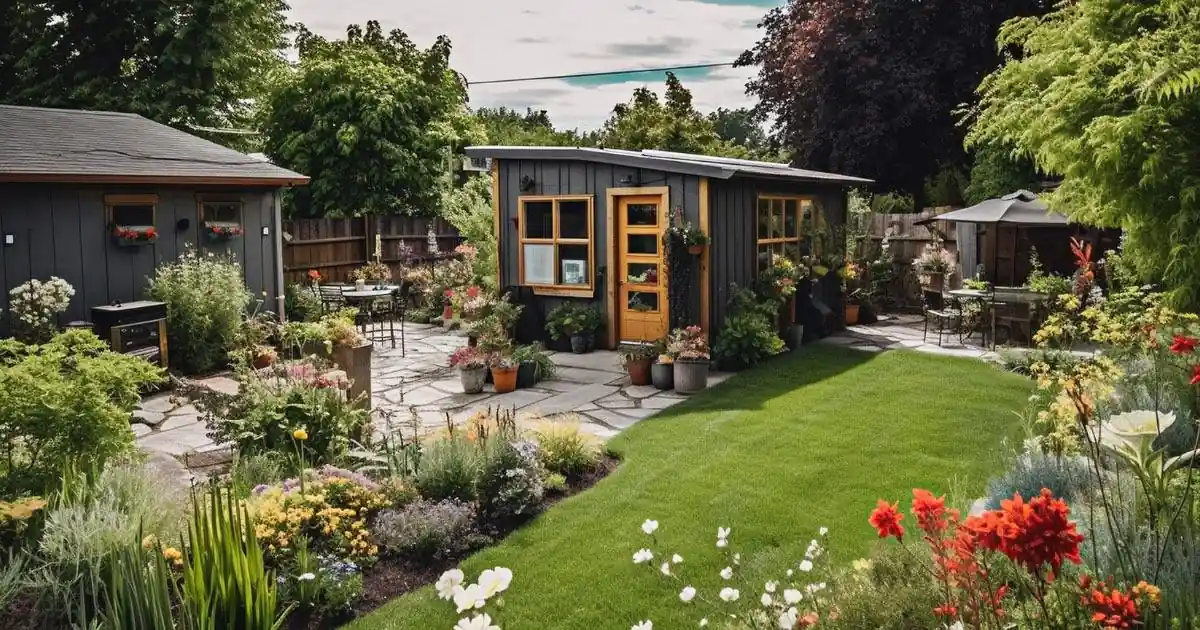
Below, you’ll find three steps: assess your space, choose your income stream, and prepare and promote your rental. Each step includes practical checklists, honest trade-offs, and tips from our team at Frontier Building Group, so you can move forward with confidence instead of guesswork.
Step 1: Assess Your Space
Before diving into transforming your backyard, a thorough assessment is crucial. This step ensures that your efforts align with your financial and lifestyle goals, and it protects you from expensive surprises later. Start by walking your property with a critical eye and working through this checklist:
- Size and layout: Measure the available space, note where the sun falls, and think about access for construction crews, utilities, and future tenants.
- Legal requirements: Zoning bylaws, setbacks, lot coverage limits, and building permits vary by municipality. Our guide to applying for an ADU permit in Brant County shows what the process typically involves.
- Services and utilities: Confirm water, sewer or septic, and hydro capacity early, because these details can shape both your design and your budget.
- Initial costs: Build a realistic budget that covers design, permits, construction, furnishings, and a contingency fund for the unexpected.
- Expert guidance: Bring in a qualified builder before you finalize your plans, not after.
Budgeting deserves its own moment. Beyond construction, remember to account for permit fees, utility connections, landscaping, insurance updates, and a contingency fund. Many homeowners also look into federal, provincial, and municipal programs designed to encourage secondary suites. Eligibility and details can change, so check current information before you commit. Mapping your numbers now makes it far easier to judge whether your project will pay for itself and how quickly.
Frontier Building Group stands out as a leading partner, offering custom solutions for developing Additional Dwelling Units (ADUs) within your backyard. Our expertise ensures your project aligns with legal requirements, budget constraints, and maximizes your backyard’s potential. To see what is possible on a lot like yours, explore our backyard suite and ADU services.
Step 2: Choose Your Passive Income Stream
After assessing your backyard’s potential, the next step is selecting the ideal passive income stream. This choice between long-term and short-term rentals impacts your revenue model and operational demands. Whether you’re chasing steady monthly cash flow or higher seasonal returns, the way you turn your backyard into passive income should match your lifestyle and your comfort with hands-on management. Here is how the two options compare.
Long-Term Rentals: Steady and Predictable
- Reliable monthly rent with fewer vacancies and less turnover
- A lighter day-to-day workload once your tenants move in
- Simpler bookkeeping and more predictable annual planning
- Tenant rights in Ontario fall under the Residential Tenancies Act, so learn your obligations before you list
Short-Term Rentals: Flexible With Higher Upside
- Higher nightly rates that can mean stronger income in peak seasons
- The freedom to use the suite for visiting family when it is vacant
- More active work, including cleaning, guest communication, and calendar management
- Local licensing and bylaws that may apply, so confirm the rules first. Our post on renting out an ADU on Airbnb in Norfolk County explains what to look for
Whichever route you choose, estimate your income before you build. Compare local rents for similar suites, subtract expected costs such as property taxes, insurance, utilities, maintenance, and any management fees, and then divide your total project cost by your estimated monthly net income. That gives you a rough sense of how long it will take to recover your investment. Honest math at this stage keeps your expectations realistic and your plan on solid ground.
A simple rule of thumb: if you want truly hands-off income, lean toward long-term rentals. If you enjoy hosting and want flexibility, short-term stays deserve a closer look. Some owners even begin with one model and switch later as their needs change, provided the design and local rules support the move.
Step 3: Prepare and Promote Your Space
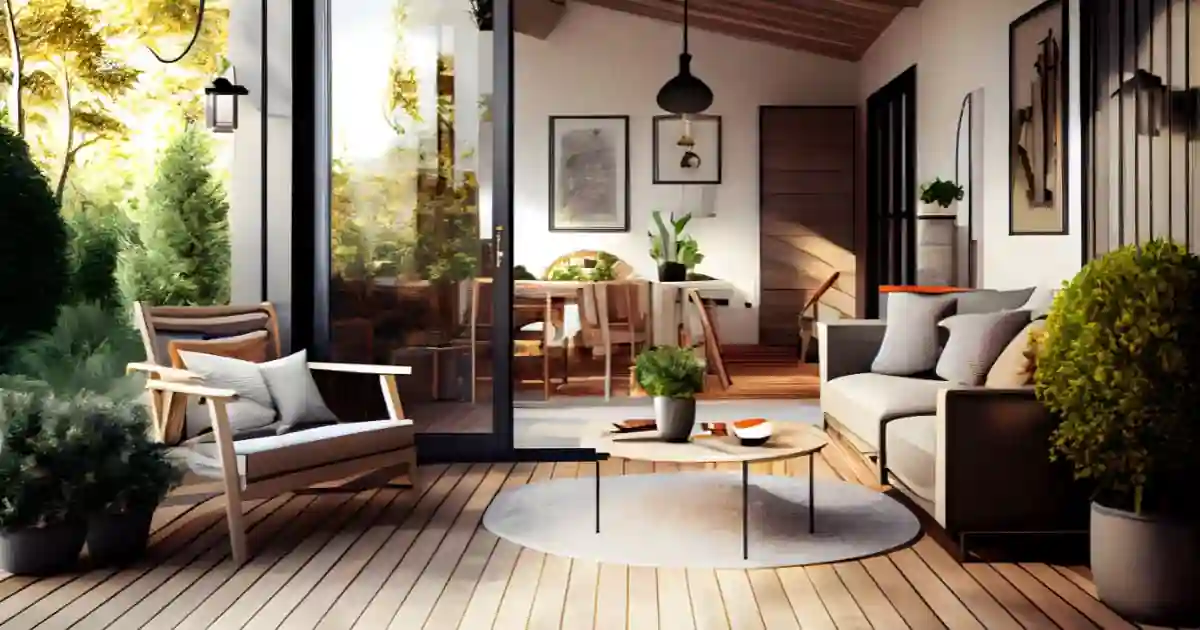
With a type of rental chosen, preparing and marketing your ADU is next. Presentation matters when you turn your backyard into passive income, because renters and guests form an opinion of a listing within seconds. Follow these six steps to make your suite attractive, functional, and profitable:
- Design for comfort and function. Smart layouts, plenty of natural light, and generous storage make a compact space feel welcoming.
- Furnish thoughtfully. Choose durable, neutral pieces for short-term stays, or keep things light and flexible for long-term tenants.
- Confirm utilities and safety. Check smoke and carbon monoxide alarms, safe exits, heating and ventilation, and code-compliant electrical work.
- Capture professional-quality photos. Bright, uncluttered images are often the deciding factor in whether someone books or inquires.
- Market in the right places. Combine online listings, social media, and local community networks to enhance visibility and attract qualified renters.
- Set the right price. Research comparable rentals nearby, factor in your costs, and highlight unique selling points so your rate is competitive yet profitable.
Pricing deserves extra attention. Set your rate too high and the suite sits empty, but set it too low and you leave money on the table. Review similar listings every few months, adjust for the season, and track your expenses so you always know your true return. Small upgrades, such as a private entrance, a covered porch, or an efficient kitchenette, can justify a higher rate and keep tenants longer.
Finally, remember that passive income still needs a system. Create a simple welcome guide, schedule seasonal maintenance, and decide who handles repairs, cleaning, and tenant questions. Many owners hire a property manager or cleaning service so the suite truly runs in the background, and tools like smart locks and online payment platforms reduce the daily workload even further.
Seeing a finished example can help you picture the possibilities. Our detached garage conversion ADU in Norfolk County shows how thoughtful design can turn an underused structure into a comfortable, rentable home.
Common Mistakes to Avoid When Building a Rental Suite
Even well-intentioned projects can stumble. Keep an eye out for these common pitfalls:
- Skipping permits: Unpermitted work can create legal, insurance, and resale headaches down the road.
- Underestimating costs: Without a contingency fund, a surprise discovery can stall your build.
- Ignoring the neighbours: Privacy, parking, and noise concerns are easier to address early, with thoughtful placement and landscaping.
- Choosing the cheapest contractor: Experience, licensing, and clear communication matter far more than the lowest quote.
- Forgetting the long game: Design for durability and flexibility so your suite can adapt to different tenants, or even your own family’s needs, over time.
A short consultation with an experienced builder can help you sidestep every one of these mistakes before a single shovel hits the ground. It is a small investment of time that can protect your budget, your schedule, and your peace of mind.
Ready to Get Started?
Embarking on this journey to convert your backyard into a passive income source is a strategic move that not only provides financial benefits but also adds significant value to your property. Taking the first step to turn your backyard into passive income is easier when you have the steps, insights, and considerations needed to assess, plan, and execute your project with confidence.
Remember that every successful rental suite begins with a clear plan and a trusted team. Start with your assessment, choose the income model that fits your life, and prepare a space people are excited to call home, even if only for a weekend.
Frontier Building Group, with over a decade of experience in transforming living spaces, is your ideal partner for this venture. Our family-oriented approach ensures personalized service, tailored to bring your vision to life while maximizing the potential of your outdoor space. Whether you’re in the planning stages or ready to build, we’re here to ensure a seamless and successful transformation.
Your journey to a better backyard begins now. Embrace the opportunity with Frontier Building Group, and let’s create something extraordinary together. Don’t hesitate to reach out. Contact Frontier Building Group today for a free no-obligation estimate. Let’s make your backyard transformation a resounding success together!